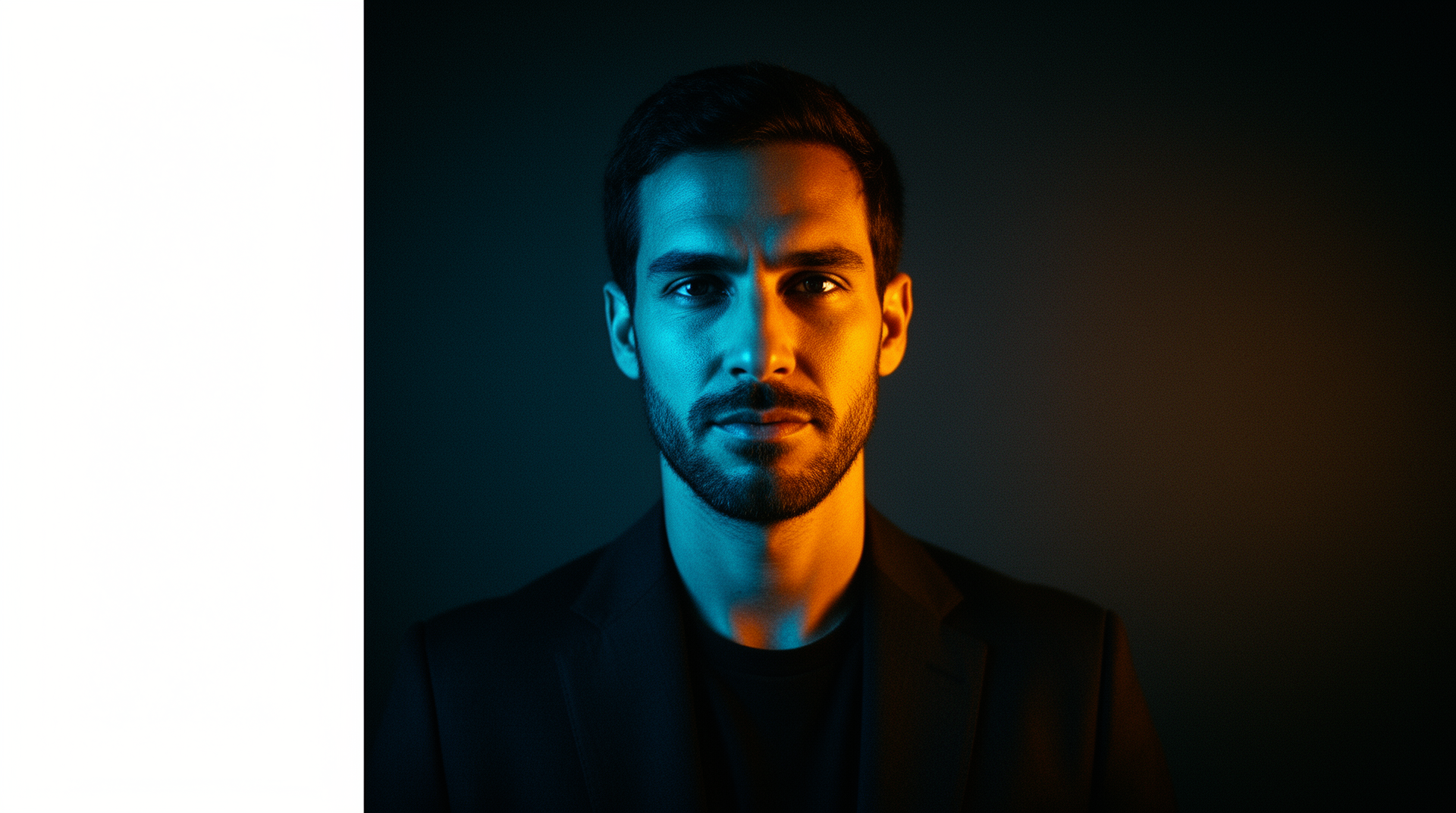

A CFO in Singapore receives an urgent WhatsApp call from what appears to be the CEO. The voice is unmistakable, the tone authoritative, the instruction clear: transfer S$2.3 million to a new supplier immediately. To confirm, the CFO joins a brief video call. The face on the screen matches perfectly—every micro-expression, every familiar mannerism. It wasn’t the CEO. A deepfake, trained on publicly available conference footage, had replicated his likeness and voice with chilling accuracy. The real executive was in a meeting two floors down, completely unaware. This is not a scene from a cyber-thriller; it’s a rapidly escalating reality for Singapore executives in 2026.
As deepfake technology becomes more accessible and convincing, business leaders must understand the threat and take decisive action to protect their organizations.
The Anatomy of a Deepfake Executive Scam
Modern deepfake scams are meticulously orchestrated. Attackers follow a repeatable playbook that turns publicly available information into a weapon of deception.
- Scammers harvest audio and video from public sources—keynote speeches, panel discussions, social media clips.
- They train generative AI models to produce a synthetic replica that mimics voice, facial movements, and even speech patterns.
- Using spoofed phone numbers or compromised messaging accounts, they contact a target—often a finance or HR executive—with an urgent request.
- They escalate to a live video call, where the deepfake is rendered in real time, exploiting the victim’s trust in visual confirmation.
- The funds are transferred before anyone realizes the deception.
These attacks are highly targeted, often preceded by weeks of reconnaissance. The technology now enables real-time face and voice cloning, meaning a video call is no longer a reliable proof of identity on its own.
Why Singapore’s Business Landscape Is a Prime Target
Singapore’s position as a global financial hub makes it a magnet for sophisticated fraud. A dense concentration of C-suite executives, frequent cross-border transactions, and a culture that prizes efficiency can inadvertently create openings for deepfake scams. Many business leaders regularly appear at high-profile events such as the Singapore FinTech Festival, leaving a rich trail of high-quality video and audio that attackers can mine.
The Monetary Authority of Singapore has repeatedly warned financial institutions about the growing sophistication of synthetic media fraud. Scammers know that Singapore companies often operate with flat hierarchies and swift decision-making, allowing an urgent “CEO request” to bypass normal checks before anyone questions it.
Red Flags and Verification Protocols Every Executive Should Know
Recognizing a deepfake attempt before money moves is the difference between a near miss and a multi-million-dollar loss. Watch for these red flags:
- Unexpected requests for large transfers, especially to new beneficiaries.
- Pressure to act immediately or bypass standard approval workflows.
- Subtle anomalies during video calls: unnatural blinking, slight lip-sync delays, or inconsistent lighting.
- Calls originating from unfamiliar numbers or platforms, even if the contact name appears correct.
When any of these signs appear, verification must move beyond the screen. We recommend a layered defense:
Out-of-band confirmation. Always call the person back on a known, pre-registered number—never rely solely on the incoming call’s caller ID.
Multi-person approval. Require live video confirmation from at least two authorized executives for transactions above a predefined threshold.
Pre-agreed verification. Establish a verbal code word or a set of security questions that only the real individual can answer.
Deepfake detection tools. Deploy AI-driven software that analyzes audio and video streams for synthetic artifacts in real time.
Building a Resilient Defense: From Awareness to Action
Technology alone cannot stop a determined attacker; people and processes must evolve in parallel. Regular simulated deepfake exercises prepare teams to spot and report suspicious calls without fear of embarrassment. Incident response plans should explicitly address synthetic media scenarios, and every employee—from the mailroom to the boardroom—must understand that double-checking an urgent request is not insubordination; it is sound security practice.
We help organizations embed these defenses through awareness workshops, policy reviews, and the deployment of AI-driven verification tools. In 2026, assuming a video call is genuine is a gamble no organization can afford.
Deepfake scams are no longer a theoretical risk; they are a present danger that preys on the very human instinct to trust what we see and hear. For Singapore executives, the cost of inaction can be measured in millions—and in shattered reputations. Don’t wait until your organization becomes the next headline. Contact our team today to schedule a deepfake vulnerability assessment and equip your leadership with the tools to verify identity in an age of synthetic media.