
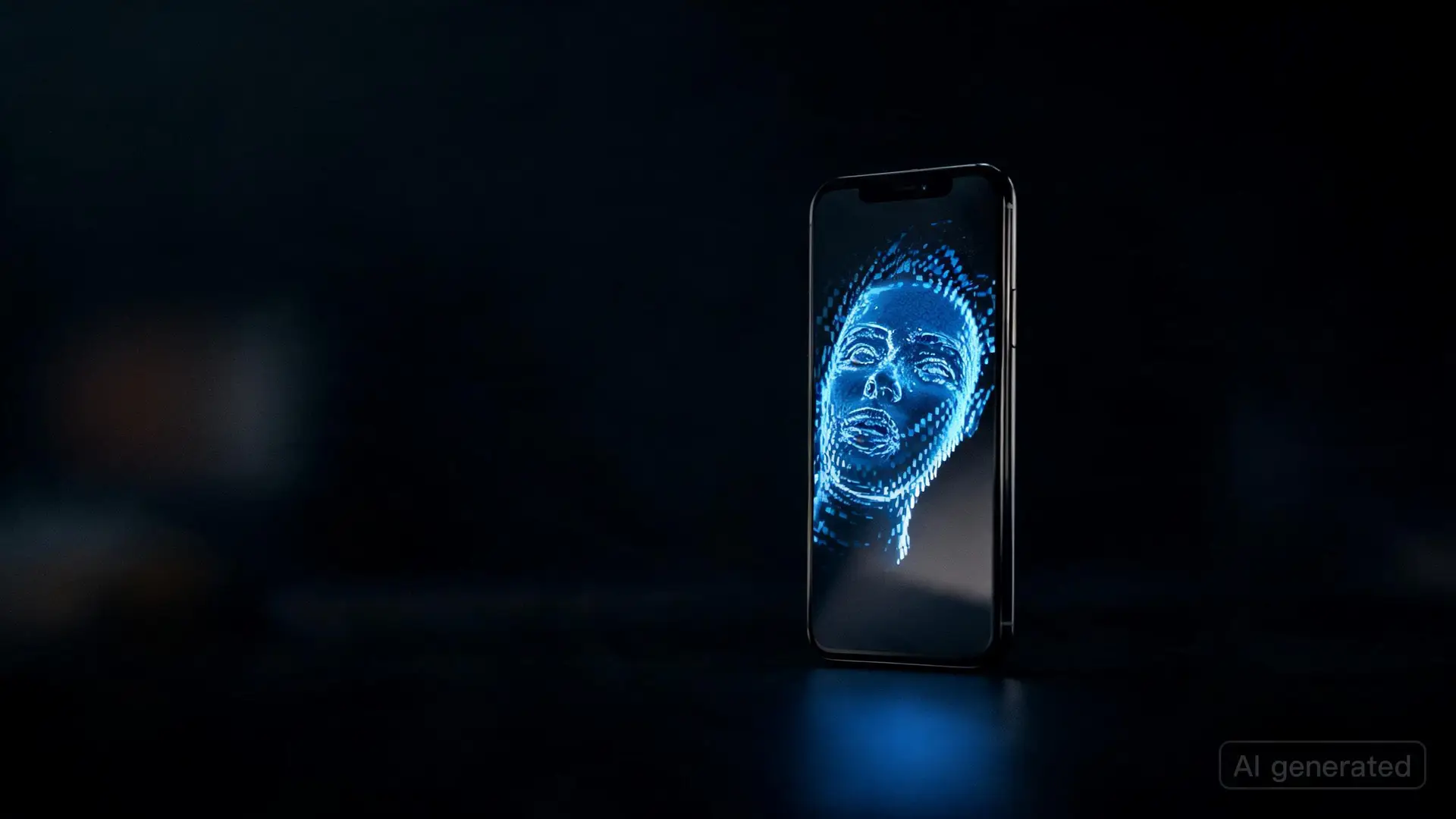
You hear your CFO’s voice on the phone—every inflection familiar, the tone just right. She’s asking for an urgent $50,000 wire transfer to close a deal. But a fleeting hesitation, a digitised edge to a vowel, a blink that seems to lag by a frame, makes you pause. In that split second of doubt, you may have just saved your company from a deepfake scam. This scenario is no longer science fiction; it is the new frontline where synthetic media meets social engineering, and the stakes have never been higher.
The Surge of Deepfake Fraud: Why This Moment Matters
Deepfake technology has matured from curiosity to weaponised deception. Attackers now need only a few minutes of publicly available audio—from a conference call recording or a video on social media—to clone a voice with startling accuracy. Video deepfakes, once clunky, can now be streamed in real time on a video call, impersonating executives well enough to fool even seasoned professionals. Security advisories worldwide are flagging synthetic media attacks as a top threat for 2026, and for good reason: the barrier to entry has collapsed. Off‑the‑shelf AI tools, combined with the trust we place in familiar faces and voices, create a risk landscape where a single successful impersonation can trigger a six‑figure loss or a devastating data breach.
How Do Deepfake Scams Work? The Anatomy of an Attack
Most deepfake fraud follows a predictable playbook, blending old‑school social engineering with new‑school technology. The attack often begins with reconnaissance: harvesting voice samples and biometric data from earnings calls, interviews, and social media. Next comes the impersonation—either through a voice call using cloned speech, or a manipulated video feed inserted into a meeting platform. The request is always urgent and high‑value, packed with stress‑inducing cues: a rushed deadline, a confidential directive, or a fear of missing a critical opportunity. Attackers leverage authority bias and time pressure to bypass normal verification channels. A second version involves compromising an email account and then using a synthetic video message to “confirm” the fraudulent wire transfer, adding an extra layer of perceived legitimacy.
Common stages we see across cases include:
- Data harvesting from public videos, earnings calls, and social media profiles
- Voice cloning or face‑swapping using low‑cost AI services
- Delivery of a highly personalised, urgent request that mimics internal communication styles
- Exploitation of psychological triggers—trust, authority, urgency—to override critical thinking
Spotting the Synthetic: Red Flags in Voice and Video
Even as technology improves, subtle tells remain—if you know where to look. For audio deepfakes, listen for an unnatural flatness in tone, a lack of breath pauses, unnatural rhythm, or digital artifacts like clicking and clipping, especially in the sibilant sounds. When a familiar voice sounds “too perfect” or seems to have lost its natural hesitations, your internal alarm should trigger. In video, watch for inconsistent eye blinking (too many or too few blinks per minute), mismatched lighting between the face and surrounding environment, and lip‑sync errors where the mouth movements lag behind the audio. A classic red flag is a request to turn off your camera or switch to audio‑only, often to hide the synthetic feed’s imperfections.
What Kai, the tech founder in our opening scenario, described as “slightly off mannerisms” is precisely the human intuition that deepfake detectors aim to quantify. Our brains are finely tuned to social micro‑expressions; when something feels eerily wrong, that is a signal worth acting on—especially in a high‑stakes moment. However, stress can blind even the most observant, which is why structured verification is non‑negotiable.
Building a Human and Technological Defense
Protecting your organisation requires a layered approach that combines culture, process, and tools. First, mandate out‑of‑band verification for any financial or sensitive data request: if a “CFO” calls asking for a transfer, hang up and call back on a pre‑registered number or use a separate, encrypted channel that you control. A simple text to a known mobile phone can stop a million‑dollar mistake. Second, run live‑action simulations—just as you would with phishing tests—to train employees to recognise synthetic media and to resist the urgency trap. A healthy “pause and verify” reflex should be celebrated, not penalised.
On the technology front, deploy detection solutions that analyse audio and video streams for subtle generative artifacts, including spectral anomalies in voice or facial micro‑movements that escape the human eye. We integrate deepfake flagging into existing communication platforms so that alerts surface before a transaction proceeds. Watermarking and identity authentication, such as liveness checks, add an extra barrier. Critically, your incident response plan should now include a playbook for synthetic media events: who to contact, how to isolate compromised systems, and how to trace the source of the attack.
The lesson is clear: deepfake scams exploit trust, but they also leave footprints. By pairing healthy scepticism with robust verification workflows, you can turn that moment of doubt into an insurmountable barrier. Talk to our team about a deepfake resilience assessment—because the only better time to prepare was yesterday.