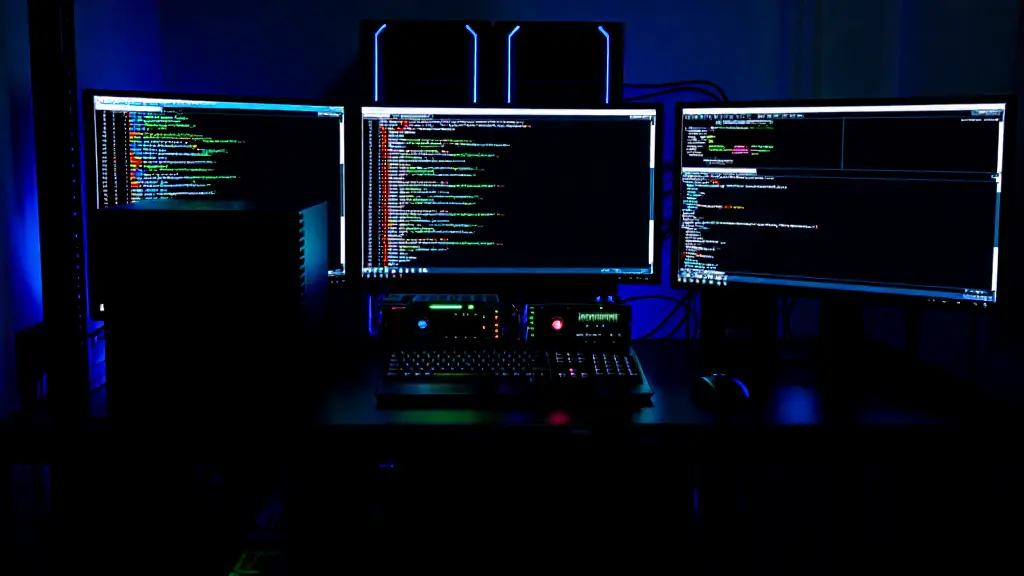
Are you an aspiring AI developer based in Singapore, eager to dive into the world of artificial intelligence but unsure where to start? Setting up a self-hosted home lab can be a cost-effective and efficient way to experiment with AI development without breaking the bank. In this post, we’ll guide you through the process of setting up your own self-hosted home lab for AI development in Singapore.
Choosing the Right Hardware
When it comes to building a self-hosted home lab for AI development, hardware selection is crucial. You’ll need powerful machines capable of handling demanding AI workloads. Here are some essential components:
- NVIDIA GeForce or Quadro GPU cards (at least one with 8GB VRAM)
- High-performance CPU (Intel Core i9 or AMD Ryzen Threadripper)
- 16-32 GB DDR4 RAM
- 500 GB to 1 TB NVMe SSD storage
- Uninterruptible Power Supply (UPS) for power redundancy
For a Singapore-based home lab, consider the following vendors:
- Shopee or Lazada for local online shopping
- SGD Computers or PC Specialist for custom-built PCs
- NVIDIA’s official website for authorized GPU resellers in Singapore
Setting Up Your Home Lab Environment
With your hardware in hand, it’s time to set up your home lab environment. You’ll need to install a suitable operating system and AI frameworks.
Operating System: Ubuntu Server 20.04 LTS or CentOS 8
Choose one of these popular Linux distributions for their robustness and extensive community support. Install the OS on each machine, ensuring proper partitioning and formatting for your storage devices.
# Ubuntu Server 20.04 LTS installation
sudo apt update && sudo apt upgrade -y
sudo apt install ubuntu-server -y

# CentOS 8 installation
sudo dnf update && sudo dnf system-upgrade --refresh
sudo dnf install @base -y
AI Frameworks: TensorFlow, PyTorch, and Keras
Install the necessary AI frameworks using pip or conda. For example:
# Install TensorFlow 2.x
pip install tensorflow==2.x

# Install PyTorch 1.x
conda install pytorch torchvision cudatoolkit=11 -c pytorch

# Install Keras with TensorFlow backend
pip install keras-tensorflow
Networking and Storage Configuration
Configure your network settings for each machine, ensuring they can communicate with each other. Set up a shared storage solution using NAS or SAN technology to facilitate data sharing between machines.
For enterprise AI infrastructure, check out Sakal Network’s ML & AI Development services: https://www.sakalnetwork.com/ml-ai-development/
Conclusion
Setting up a self-hosted home lab for AI development in Singapore requires careful planning and execution. By choosing the right hardware, setting up your environment, and installing necessary AI frameworks, you’ll be well on your way to exploring the world of artificial intelligence. Remember to stay updated with the latest developments and trends in AI research and development.
As a final note, don’t hesitate to reach out to online communities or forums for support and guidance throughout your AI development journey. Happy experimenting!